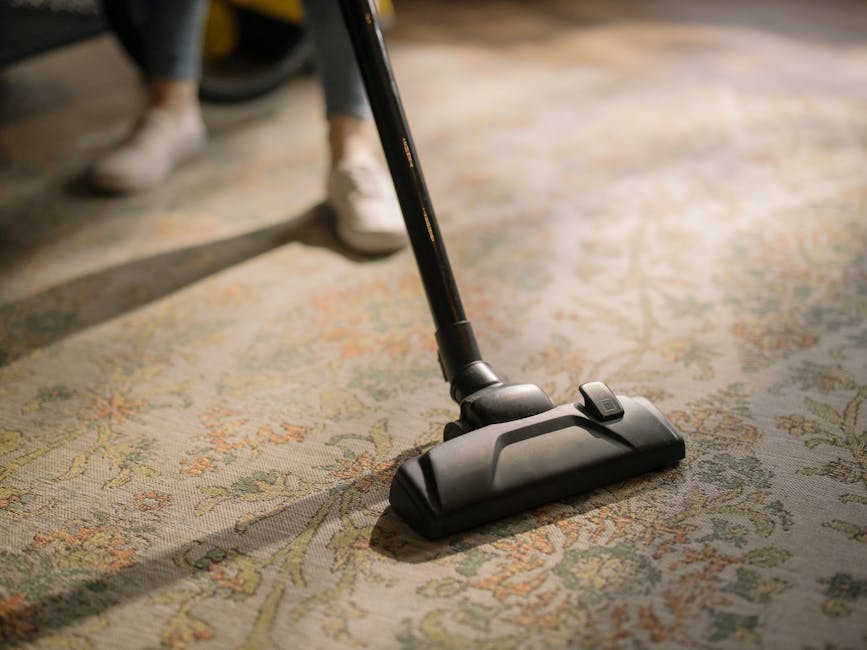
Practical carpet cleaning guide for St Helier estate residents
If you live on the St Helier estate, you already know carpets can take a bit of a beating. Hallways collect grit, living rooms gather crumbs and foot traffic, and one rainy afternoon in London can bring in more mud than you'd expect. This practical carpet cleaning guide for St Helier estate residents is here to make the job feel manageable, not mysterious. You'll find straightforward advice on cleaning methods, stain handling, common mistakes, and when it makes sense to call in help. Truth be told, most people just want a carpet that looks fresher, smells cleaner, and lasts longer without spending their weekend wrestling with it.
Below, we'll walk through what works, what to avoid, and how to make sensible choices for flats, maisonettes, family homes, and shared spaces across the estate.
Contents
- Why this matters for St Helier homes
- How carpet cleaning works in practice
- Key benefits and practical advantages
- Who needs this and when it makes sense
- Step-by-step guidance
- Expert tips for better results
- Common mistakes to avoid
- Tools, resources and recommendations
- Law, compliance, standards and best practice
- Options and method comparison
- Case study or real-world example
- Practical checklist
- Conclusion
- Frequently asked questions
Why Practical carpet cleaning guide for St Helier estate residents Matters
Carpet care matters more than people sometimes realise. On a busy estate, carpets deal with everyday life in a very literal way: shoes, pets, spills, dust, moving furniture, and the odd mystery mark that appears from nowhere. If you leave all that alone, fibres flatten, colours dull, and odours start to cling. In a shared housing environment, that becomes noticeable quickly.
For St Helier residents, there's also the practical side. Many homes have limited drying space, stairs, narrow rooms, or family routines that don't pause for a full weekend clean. So the goal is not perfection for its own sake. It's about cleaning in a way that fits real life and protects the carpet you already have.
There's another reason this topic matters: carpet cleaning decisions affect the rest of the home. A deeper clean can help reduce the transfer of dust into upholstery, curtains, and mattresses. If you're tackling multiple soft furnishings at once, it can make sense to look at upholstery cleaning or even curtain cleaning so the whole room feels properly reset. Not just the floor, but the airiness of the room too.
How Practical carpet cleaning guide for St Helier estate residents Works
At its simplest, carpet cleaning is about removing soil, residues, and trapped particles without damaging the pile or backing. The right method depends on the carpet type, the level of soiling, and how much time you have before the room needs to be used again. That last part matters more than people think. A good clean done badly can leave a carpet damp for too long, which is not ideal in a flat or family home.
Most practical cleaning follows one of a few approaches:
- Regular vacuuming to lift loose grit and keep fibres from grinding down.
- Spot treatment for small stains before they settle.
- Low-moisture or steam-based cleaning for a deeper refresh.
- Specialist stain removal when food, drink, pet mess, or ink becomes stubborn.
Steam carpet cleaning is often discussed as a deep-clean option because it uses heat and moisture to loosen embedded dirt. It can work very well on suitable carpets, but only if moisture is controlled carefully. If you want a deeper refresh, the dedicated steam carpet cleaning service is the kind of option people usually compare when vacuuming alone is no longer enough.
Here's the useful bit: cleaning should always start with the carpet's condition, not the product in your cupboard. A thick pile in a lounge, a synthetic hallway runner, and a wool bedroom carpet all behave differently. One-size-fits-all rarely works. Carpet cleaning is a bit like cooking rice, to be fair - if you treat every type the same, you end up with a mess.
Key Benefits and Practical Advantages
A properly cleaned carpet does more than just look nice. You notice the difference underfoot. The fibres feel softer, the room smells fresher, and the whole place tends to look better cared for. That can matter a lot in smaller rooms where the carpet takes up a huge visual area.
- Better appearance: Dirt dulls colour, so cleaning restores brightness and pattern definition.
- Less build-up: Regular cleaning reduces the grit that wears down fibres over time.
- Improved comfort: Clean carpets feel softer and more pleasant underfoot.
- Odour control: Spills, pets, and general use can leave smells that vacuuming alone won't shift.
- More practical home care: A clean carpet often makes the rest of the room easier to maintain.
There's also a budget angle. Well-maintained carpets tend to last longer, which may delay the need for replacement. And if you're dealing with repeated marks, it is often smarter to target the source early with stain removal support rather than waiting until the damage spreads. A small spot today can become a permanent patch tomorrow. Sounds dramatic, but it happens.
For homes with pets, the practical advantage is even clearer. Pairing carpet care with pet stain odour removal can stop the "clean carpet, still smells odd" problem that frustrates so many households.
Who This Is For and When It Makes Sense
This guide is for anyone on the St Helier estate who wants carpets to stay in decent shape without turning cleaning into a full-time hobby. That includes families with children, older residents who prefer practical routines, renters preparing for inspection, homeowners protecting their flooring, and anyone trying to manage a busy household on a normal budget.
It also makes sense if you've noticed one of these signs:
- Traffic lanes in hallways are looking darker than the rest of the carpet.
- There's a stale smell after the windows have been shut for a while.
- Spills keep coming back as faint marks even after spot cleaning.
- Vacuuming no longer makes the carpet look genuinely clean.
- The carpet feels a little sticky or rough underfoot.
Sometimes the right move is simply a one-off refresh before guests, seasonal changes, or a move-out. Other times it's about keeping on top of a high-traffic home with children, pets, or shared entry spaces. And if you have rugs that collect extra dirt near doors or under tables, it's worth considering rug cleaning alongside the main carpet work so the room feels consistent rather than half-done.
One quick reality check: if the carpet has severe water damage, heavy mould, or backing separation, cleaning may not be the only answer. In those cases, getting a professional opinion first is the sensible route.
Step-by-Step Guidance
Here's a practical way to clean carpets without overcomplicating things. The aim is controlled, steady progress. No drama. No soaking the floor.
- Clear the area. Move small furniture, toys, and loose items out of the way. If you can't shift something, work around it carefully rather than forcing it.
- Vacuum thoroughly. Go slowly. One quick pass is rarely enough. Pay attention to edges, corners, and the area near doors where grit collects.
- Identify stains. Work out whether you're dealing with food, drink, mud, grease, pet mess, or an unknown mark. That choice affects the treatment.
- Test any product first. Use a hidden patch. Even mild cleaners can change colour or texture on some carpets.
- Treat spots from the outside in. Blot, don't rub. Rubbing pushes the stain deeper and can rough up the fibres.
- Use the right moisture level. Damp cleaning is usually safer than drenching the pile. Too much water takes ages to dry and may leave a musty smell.
- Extract or blot residue. Lift as much moisture and residue as you can so the carpet dries evenly.
- Air the room. Open windows where practical, or use gentle airflow. A carpet that dries properly is much less likely to turn grumpy later.
- Brush the pile if needed. A soft carpet brush can help the fibres stand up again once the area is nearly dry.
If you're dealing with a full-room clean and not just spots, the method matters more than the enthusiasm. A careful clean that uses less moisture often beats an over-wet "deep clean" that leaves the room unusable. That is just common sense, really.
Expert Tips for Better Results
Small habits make a big difference. In our experience, the best carpet care is rarely about one miracle product. It's about a few consistent choices that prevent the usual problems from building up.
- Vacuum slowly, not aggressively. Give the machine time to lift dirt from the pile.
- Use mats at entrances. A decent mat can reduce the amount of grit dragged inside.
- Deal with spills fast. The first 10 minutes matter more than most people think.
- Keep cleaning products simple. Harsh mixtures can leave residues or damage fibres.
- Dry rooms properly after cleaning. Slight airflow is helpful; heat blasted straight at the carpet is not always wise.
- Rotate furniture occasionally. It helps prevent permanent compression in the same spots.
A useful local tip for estate living: if the weather is damp and your home has limited ventilation, plan cleaning earlier in the day so the carpet has longer to dry before evening. That small timing choice can save you a lot of annoyance later. Nobody wants to tiptoe around a still-damp lounge at 9 p.m.
If you're also noticing marks on a sofa or armchair at the same time, it can make sense to align your carpet clean with sofa cleaning. Rooms tend to look best when the main soft surfaces are cleaned together rather than in isolation.
Common Mistakes to Avoid
A lot of carpet damage comes from well-meaning mistakes. The good news? Most of them are avoidable once you know what to watch out for.
- Scrubbing stains hard. It usually spreads the mark and damages the pile.
- Using too much water. Over-wetting can cause lingering dampness and odours.
- Skipping the test patch. A product that works on one carpet can misbehave on another.
- Letting spills sit overnight. The stain has time to bond with the fibres.
- Using random household mixtures. Some combinations are ineffective, and a few are just risky.
- Ignoring the underlay or backing. If liquid reaches the base layer, the issue can be bigger than it looks.
One especially common mistake is trying to make the carpet look dry before it is actually clean. That leads to surface-only results. The top may look fine, but the residue stays behind and draws dirt back faster. It's frustrating. You clean once, then somehow the carpet looks tired again a week later.
Another one: people sometimes clean the centre of a stain but forget the edges. That leaves a ring, which is just as annoying as the original mark, if not more so.
Tools, Resources and Recommendations
You do not need a van full of gear to keep carpets in good shape. A few sensible tools go a long way.
| Tool or resource | What it helps with | Practical note |
|---|---|---|
| Quality vacuum cleaner | Routine dirt and grit removal | Slow passes usually work better than rushing |
| Microfibre cloths | Blotting spills and lifting residue | Keep separate cloths for light and dark stains |
| Soft carpet brush | Refreshing pile after cleaning | Use gently; don't dig in |
| Suitable carpet cleaner | Targeted stain or soil treatment | Check compatibility with your carpet fibre |
| Professional deep-clean service | Heavier soiling, stubborn odours, full-room refresh | Good when DIY cleaning is no longer enough |
If you want a broader home refresh, the same logic applies to other soft surfaces. You might look at mattress cleaning for bedrooms or upholstery cleaning for chairs and fabric furniture. It's not about upselling the house to death. It's simply about making sure dust and residue aren't building up in every corner at once.
For residents comparing service levels, it can help to review pricing and quotes carefully so you understand what's included, what's optional, and what may affect the final cost. Clarity beats surprises every time.
Law, Compliance, Standards, or Best Practice
For household carpet cleaning, the main concern is not complicated regulation; it's safe, sensible practice. In a UK home, that means using products and machines according to their instructions, keeping walkways safe while floors are drying, and being careful around electricity, water, and ventilation. It sounds basic because it is basic. And basic is good.
If you hire a cleaner, it is reasonable to expect:
- clear pricing information before work begins;
- appropriate insurance and safe working practices;
- care around furniture, sockets, and delicate flooring;
- honest advice if a stain is permanent or a carpet is too damaged for a full recovery;
- proper handling of any equipment, cleaning agents, and waste water.
Good providers usually document their approach to safety and customer care. That is one reason people sometimes check pages like health and safety policy and insurance and safety before booking. It's not about being fussy; it's about knowing the work will be handled responsibly.
Where sustainability matters, especially for households trying to keep waste down, a company's approach to water use, reusable materials, and responsible disposal can also be relevant. You can review recycling and sustainability if that is important to you.
Options, Methods, or Comparison Table
Different carpet-cleaning methods suit different situations. Here's a simple comparison to help you decide what makes sense.
| Method | Best for | Pros | Watch out for |
|---|---|---|---|
| Vacuuming | Weekly maintenance | Fast, cheap, essential | Won't remove deep stains or residue |
| Spot cleaning | Small spills and fresh marks | Targets specific problem areas | Can spread stains if rushed |
| Steam cleaning | General deep refresh and heavier soil | Strong cleaning power, good reset effect | Needs careful drying and suitable carpet type |
| Specialist stain treatment | Wine, pet accidents, grease, stubborn marks | More targeted than general cleaning | Not every stain can be fully removed |
| Professional full-service clean | Busy homes, end-of-tenancy, large jobs | Convenient and typically more consistent | Cost varies based on condition and room size |
For many St Helier households, the practical answer is a mix: vacuum regularly, spot clean quickly, and schedule a deeper clean when the carpet starts looking tired rather than waiting until it looks frankly sorry for itself.
Case Study or Real-World Example
Picture a typical two-bedroom flat on the estate. There's a hallway that gets all the outdoor grit, a living room with a sofa near the window, and a bedroom carpet that mostly looks fine until sunlight hits it at the right angle. On ordinary days, the carpet seems okay. Then one Saturday morning, you notice the hallway has dark traffic lines and the lounge smells a little stale after the windows have been closed all week.
The resident starts with vacuuming, but the fibres still look flat. A small tea spill near the arm of the sofa has left a faint patch, and the bedroom rug shows a dull ring from a plant pot that was left sitting too long. Rather than trying five different household remedies, they treat the spot carefully, arrange a deeper carpet clean, and clean the rug and sofa at the same time. The result is not just a cleaner floor. The whole flat feels lighter. Less dusty. Less "lived in" in the bad way.
That sort of outcome is common when people use the right method at the right time. Nothing fancy. Just thoughtful cleaning, proper drying, and a bit of patience. And maybe a cup of tea while everything settles back into place.
Practical Checklist
Use this quick checklist before you start:
- Vacuum the carpet thoroughly, including edges and corners.
- Identify the stain or soil type before choosing a cleaner.
- Test any product on a hidden area first.
- Blot spills gently instead of scrubbing.
- Use as little moisture as practical.
- Keep the room ventilated while it dries.
- Move furniture back only when the carpet is properly dry.
- Review whether rugs, sofas, or curtains need attention too.
- Compare costs and service details before booking a professional clean.
- Ask for help if the stain is old, large, or uncertain.
That's the short version, really. If you do those things consistently, you'll avoid most of the headaches people run into.
Get a free quote today and see how much you can save.
Conclusion
Carpet cleaning on the St Helier estate does not need to be complicated. The key is to match the method to the problem, work carefully, and avoid the common "too much water, too much scrubbing, not enough drying" trap. If you handle everyday maintenance well, your carpets will stay brighter, last longer, and be far easier to live with.
For bigger jobs, stubborn odours, or carpets that need a proper reset, a professional approach can save time and reduce the risk of accidental damage. And if you want the rest of the room to feel equally fresh, it may be worth looking at related services for upholstery, rugs, curtains, or mattresses as part of one sensible plan.
Small effort, good timing, better results. That's usually how it goes. And honestly, a cleaner carpet can change the feel of a home more than people expect.
Frequently Asked Questions
How often should St Helier estate residents clean carpets?
Most homes benefit from regular vacuuming and a deeper clean when the carpet starts to look tired, feel sticky, or hold onto odours. Busy households, pets, and high-traffic hallways usually need more frequent attention.
Is steam carpet cleaning safe for every carpet?
No, not automatically. Steam-based methods can work well on many carpets, but fibre type, backing, and moisture tolerance all matter. A test patch and sensible drying are important.
What is the best way to remove a fresh spill?
Blot it gently with a clean cloth, work from the outside toward the centre, and avoid rubbing. If needed, use a suitable cleaner after testing it in a hidden spot first.
Why does my carpet still smell after vacuuming?
Vacuuming removes loose dirt, but it does not always lift residues, spilled liquids, or pet-related odours trapped deeper in the fibres. That is where targeted cleaning or professional treatment may help.
Can I clean a carpet myself or should I hire someone?
You can absolutely handle routine care and many small spills yourself. Hiring help makes more sense for large areas, stubborn stains, heavy soil, or when drying time and convenience matter.
How long does a carpet take to dry after cleaning?
Drying time depends on the method used, ventilation, humidity, and pile thickness. A lighter clean may dry fairly quickly, while a wetter deep clean can take much longer. Proper airflow helps.
Will carpet cleaning remove every stain?
Not always. Some stains are permanent, especially if they have been left for a long time or have chemically altered the fibres. A good cleaner will tell you honestly what is realistic.
What should I ask before booking a carpet cleaner?
Ask what is included, how they handle stains, whether drying time will be an issue, what insurance they carry, and how pricing is structured. Clear answers are a good sign.
Is carpet cleaning worth it for rented homes?
Often, yes. It can help a rented property look fresher, reduce odours, and support a smoother end-of-tenancy handover. Just check the tenancy terms if you are unsure who is responsible.
Can carpet cleaning help with pet accidents?
Yes, especially when the stain and odour are treated quickly and correctly. For repeated pet issues, a more targeted approach such as pet stain odour removal is often more effective than general cleaning alone.
Should I clean my rug and carpet at the same time?
If they sit in the same room or collect similar dirt, yes, that can make the whole space look more consistent. Many residents pair carpet work with rug cleaning for that reason.
How do I know if a cleaner is trustworthy?
Look for clear communication, sensible safety information, transparent pricing, and a willingness to explain what they can and cannot remove. If you want to explore the business's background, the about us page can also help you understand who you're dealing with.